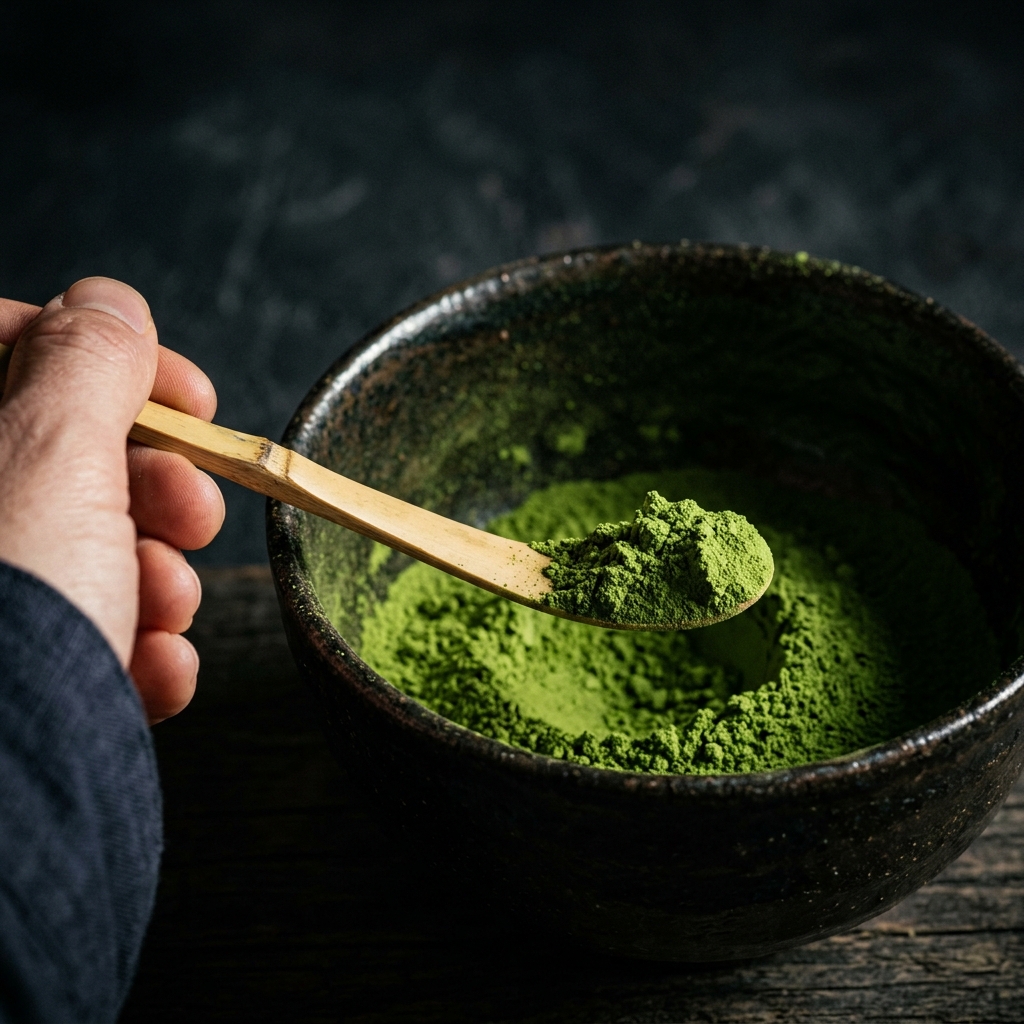
In the seconds following the harvest of fresh tea leaves, a silent biochemical race begins. Polyphenol oxidase, an enzyme naturally present in the leaf tissue, initiates oxidation upon contact with oxygen. This is the process that turns green tea leaves brown and transforms their fresh flavor into black tea. To create the vibrant, emerald-colored silk of premium matcha, this oxidation must be halted with scientific precision.
Oxidation control is where botany meets chemistry. Controlling this process is the singular line dividing fresh, energetic green tea from rich, dark oxidized teas.
"Steaming is the precise lock that freezes time within the leaf, holding the chemistry of the spring harvest in place forever."— CHEMICAL CRAFT
The Thermal Window
To halt oxidation, the leaf must be exposed to heat within a few hours of harvesting. The industry standard involves exposing the raw leaves to high-pressure steam at temperatures ranging from 95°C to 100°C.
This exposure lasts between 15 to 20 seconds. It must be long enough to denature the enzymes (polyphenol oxidase), making them inactive, but short enough to prevent cooking or stewing the leaf. This delicate period is the most critical phase in the processing of matcha.
Steaming vs. Panning
Green teas are broadly split into two processing lineages: steaming and dry heat roasting (panning). In China, green teas are typically tossed in a hot wok (panning). This imparts a toasted, nutty aroma and a yellow-green liquor.
Steaming, the traditional method for Tencha (the precursor to matcha), uses wet heat. Because the heat is transferred instantly via steam, the raw chlorophyll structure is preserved, keeping the intense emerald green color. This process also prevents the loss of L-theanine and other delicate amino acids, preserving the fresh, oceanic, grass-like taste profile.
Uncompromising Quality
Any variance in the steaming duration changes the cup profile. Under-steaming leaves active enzymes, causing the matcha to oxidize and turn yellow-brown during storage. Over-steaming breaks down the cell walls, causing the tea to taste bitter and flat.
Our partner estates utilize modern processing machines equipped with electronic heat sensors that monitor humidity and temperature down to the degree. This combination of traditional wisdom and modern machinery ensures that each harvest is locked in its sweet spot, preserving the fresh silk texture and emerald green color of Amachi MATCHA.